
Start 2026 Strong: A Business Owner’s Guide to Intentional Marketing & Local SEO
As the year winds down and Q4 settles in, most business owners are thinking about next year — how to grow, what to fix, and what to leave behind. December has a way of forcing clarity. It shines a light on what worked, what didn’t, and where the gaps truly are.
But here’s the truth, few business owners say out loud:
Most companies don’t fail because of their product or service. They fail because they step into a new year without a plan.
2026 is not the year to “wait and see.”
The digital landscape has undergone significant changes — especially for local businesses.
The businesses that win in 2026 will be those that build visibility on purpose. That’s where intentional marketing, strong Local SEO, and consistent content come in. If 2025 felt reactive for you, consider this your roadmap for turning 2026 into your most structured, visible, and growth-driven year yet.
Why 2026 Can’t Be Another “Wait and See” Year
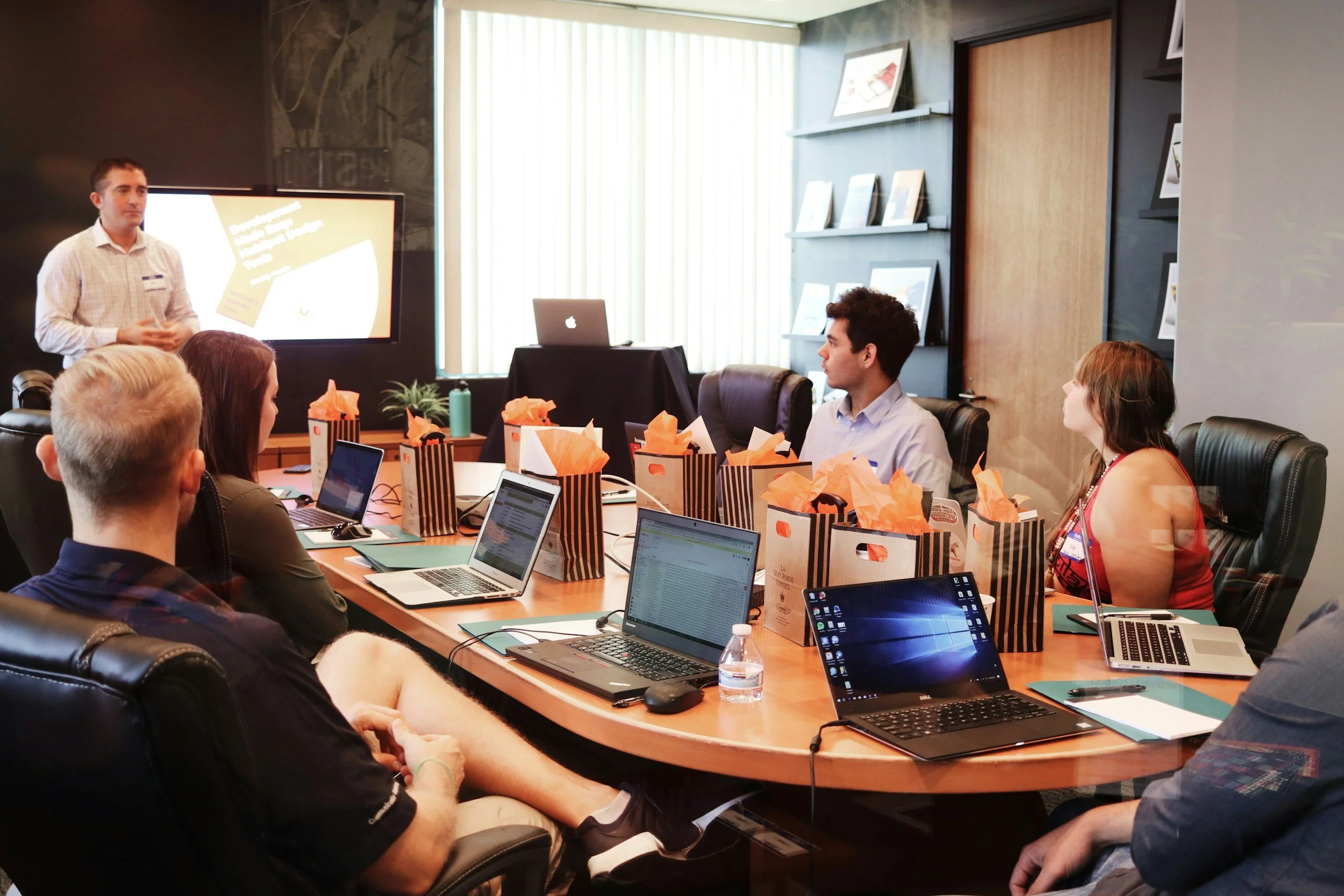
If you’re honest with yourself, how much of 2025’s marketing was proactive vs. reactive? Did you only post when things slowed down? Did you only think about SEO when the phone stopped ringing? Did you rush updates because you suddenly needed more leads?
You’re not alone.
However, 2026 needs to be different — because consumer behavior has already undergone significant changes.
68% of online experiences begin with a search engine
46% of all Google searches have local intent
76% of people who search for something “near me” visit a business within 24 hours
SEO isn’t optional. It’s the digital version of your storefront — it’s how your community discovers you, chooses you, and keeps coming back.
And as more businesses in our region invest in intentional SEO, the competition on Page 1 is only getting stronger.
What the Numbers Say About SEO & Local Search
We all love good data — and sometimes business owners need numbers to remind them what’s at stake.
Businesses that blog regularly generate up to 55% more website visitors
SEO leads have a 14–16% close rate, compared to 1–2% for cold outreach
The top three Google search results get 54% of all clicks
Here’s what that means for local business owners:
When people are searching for your service — whether it’s dental care, HVAC, landscaping, remodeling, legal support, wellness, home services, or retail — visibility is the key to a booked schedule and avoiding slow months.
If your competitors are optimizing and you’re not, 2026 will feel like running uphill.
Audit Your 2025 Marketing Before You Plan 2026
You can’t build a strong new year on an unclear foundation. Before setting goals, look at the numbers that actually matter:
Website traffic over the year
Month-over-month keyword growth
Google Business Profile views, direction requests, and calls
Ad performance (CTR, conversions, cost per lead)
Review quantity, frequency, and average rating
Your content consistency (or lack of it)
And here’s the honest advisor-style truth:
If you didn’t track much this year, that’s your biggest opportunity heading into 2026.
A great place to self-assess is the ML SEO guide on common SEO issues most businesses face:
➡️ SEO Need Symptoms
And if you already know SEO is part of your 2026 plan:
➡️ Local SEO Service
Build an Intentional 2026 Marketing Roadmap
This is where transformation happens.
Not by throwing money at ads...
Not by posting without strategy…
But by integrating everything into one clear plan.
Below is the same guidance I provide clients in consulting-style planning sessions.
2. Align SEO, Content, and Ads Into One Strategy
SEO is long-game.
Ads are immediate.
Content is the glue that holds everything together.
When they work together, growth becomes predictable.
Use these pages as planning pillars:
A business that invests in SEO and ads builds momentum faster, learns customer behavior quicker, and dominates Page 1 in multiple ways.
1. Clarify Your Real Business Goals for 2026
Not “get more leads.”
That’s vague — and vague goals don’t get results.
Instead, define outcomes like:
“We want 20 new monthly patients by summer.”
“We want to sell out our landscaping crews for Q1.”
“We want to add $300K in construction projects in 2026.”
“We want 30 new five-star reviews by June.”
Once goals are clear, build KPIs that align:
Organic traffic
Keyword ranking improvement
Calls and form submissions
Ads return on ad spend (ROAS)
Google Business interactions
This turns your marketing into a measurable engine — not a guess.
3. Plan Content Around Real Questions People Are Asking
Google rewards businesses that consistently publish helpful content.
That includes:
Blogs answering customer questions
Seasonal articles (holiday prep, spring cleaning, summer readiness)
Service-specific landing pages
FAQ sections
Community-driven posts
Photos and updates on Google Business
Your website should feel like the most helpful resource in town.
Get inspiration from your existing content library here:
➡️ SEO News
Refresh Your Website Before You Pour More Traffic Into It
A website is like a storefront.
It can either pull people in…
Or quietly push them away.
Before investing in more traffic, make sure your digital foundation is ready:
Does it load fast on mobile?
Is it clear what you do within 5 seconds?
Are your service areas obvious?
Does your content speak like a human (not a template)?
Are calls-to-action clear?
Does your website feel like you?
If you’re unsure, these pages can help guide the process:
One Strategy, Many Communities — Your Visibility Across the Region
Even though this blog isn’t tied to a single city, the same intentional marketing plan applies anywhere in our region — whether you're serving Idaho, Washington, or customers across the greater Inland Northwest.
If you want to explore how ML SEO approaches Local SEO across multiple communities, here are the main location pages:
Think of these as tailored blueprints — same framework, adapted to each market.
Set SMART Marketing Goals for Q1–Q4 of 2026
To avoid falling behind next year, break your plan into quarters:
Q1 (January–March): Build the Foundation
Website improvements
Keyword tracking setup
First service pages of the year
Google Business optimization
Review strategy launch
Q2 (April–June): Increase Visibility
Consistent blogging
Add new landing pages
Launch or refine Google Ads
Strengthen backlinks
Q3 (July–September): Strengthen Authority
Long-form content
Case studies
Local partnerships
Community engagement posts
Q4 (October–December): Accelerate Growth
Holiday SEO content
Retargeting ads
Local event-driven posts
Year-end review & next-year planning
By December 2026, you aren’t crossing your fingers for better results — you’ve built a system that makes better results happen.
The 60–90 Day Rule: Why December Is Actually the Start of 2026
Here’s something most business owners forget:
SEO progress typically takes 60–90 days to show meaningful movement.
That means:
What you start in December affects your business by March.
What you start in January shows up around April or May.
What you delay until spring impacts summer — often your busiest season.
If you want spring and summer 2026 to be your strongest seasons yet,
your groundwork has to begin now.
Waiting until February or March means you're already behind.
Ready to Build an Intentional Marketing Plan for 2026?
If you’re tired of marketing guesswork…
If you’re tired of feeling reactive instead of strategic…
If you're ready to build a predictable, scalable year of growth…
Then December is your most important month.
Start with the foundational services that shape your visibility:
Let’s build a 2026 plan that doesn’t just look good on paper —
but actually transforms your visibility, revenue, and confidence for the year ahead.
